Introduction
Many pool owners wait too long to open their pool for the season.
At first, it seems harmless to leave the cover on for a few extra weeks, especially when temperatures are still changing. However, delaying pool opening often creates larger maintenance problems that become harder and more expensive to fix later.
The longer a pool stays closed during warmer weather, the more likely it is to develop algae, water chemistry issues, and circulation problems.
Understanding what happens when you open your pool too late helps prevent unnecessary cleanup and repair costs.
Warmer Water Encourages Algae Growth
One of the biggest problems with opening a pool late is rising water temperature.
As temperatures increase, algae begins growing much faster beneath the pool cover.
This becomes more likely when:
Water circulation is inactive
Chlorine levels drop
Sunlight penetrates the cover
Organic debris remains in the water
By the time the pool is opened, the water may already be green or heavily contaminated.
Pool Water Chemistry Becomes Unstable
Pool chemicals do not remain balanced indefinitely while the pool is closed.
Over time:
Chlorine levels decline
pH changes
Alkalinity shifts
Contaminants build up
Without active circulation and maintenance, water balance becomes increasingly difficult to control.
This often leads to cloudy water, algae growth, and more aggressive chemical treatment during opening.
Debris Accumulates Under the Cover
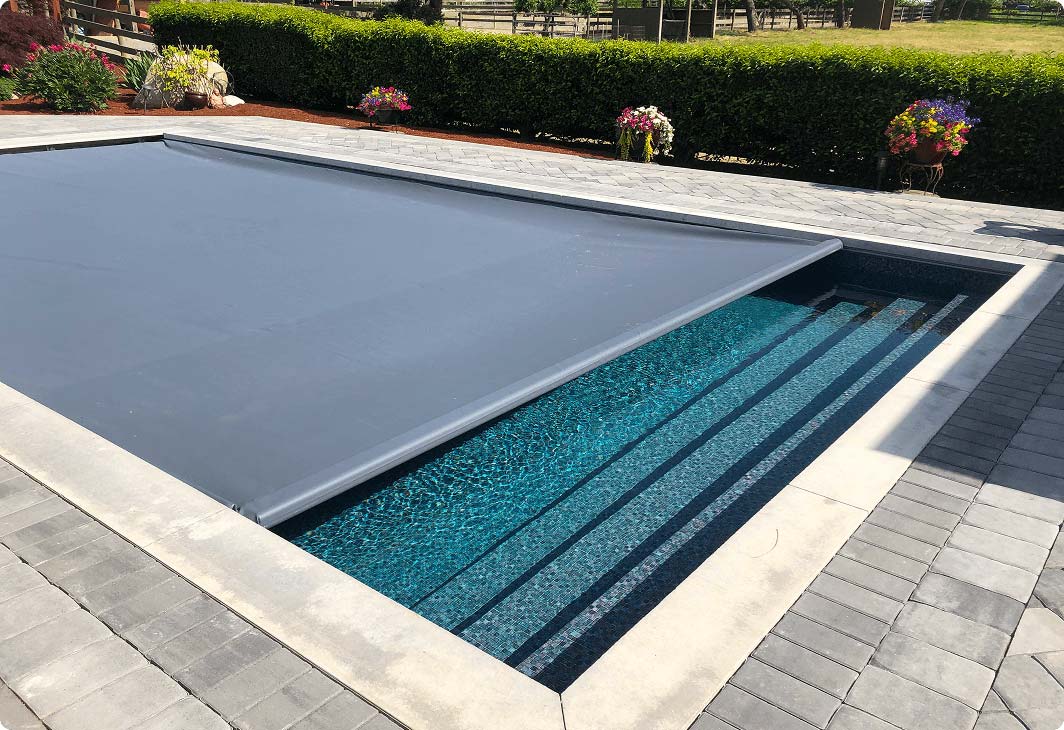
Even with a properly installed cover, debris often finds its way into the pool during the off-season.
Common debris includes:
Leaves
Dirt
Pollen
Insects
Organic material
As this material sits in the water for long periods, it begins breaking down and affecting water quality.
The longer the pool remains closed, the more difficult cleanup becomes.
Pool Opening Becomes More Expensive
Opening a neglected pool usually requires:
Additional chemicals
Longer cleaning time
More filtration
Extra brushing and vacuuming
Possible algae treatment
In severe cases, professional cleanup services may also become necessary.
Opening earlier often reduces both labor and chemical costs significantly.
Filters and Equipment Work Harder
When a pool opens with heavy debris or algae buildup, the filtration system experiences much greater strain.
This can lead to:
Clogged filters
Increased pressure
Reduced circulation
Longer cleanup times
Additional wear on equipment
Dirty water forces the system to work much harder than normal during startup.
Green Pool Problems Become More Common
Late openings are one of the most common causes of green pool water.
Once algae begins spreading beneath the cover, cleanup becomes far more difficult.
Common problems include:
Green water
Cloudy appearance
Slippery surfaces
Algae attached to walls
Strong chemical demand
Pools opened early in the season are usually easier to maintain because algae growth has less time to develop.
Stains and Surface Problems Can Develop
Organic debris and algae left untreated for long periods may begin staining pool surfaces.
This is especially common in:
Plaster pools
Concrete pools
Pools with rough finishes
Long-term buildup can cause:
Discoloration
Mineral staining
Embedded algae spots
Surface dullness
In some cases, deep cleaning or acid washing may eventually become necessary.
Opening the Pool Takes Longer
A clean early-season opening is usually straightforward.
A delayed opening often involves:
Extensive debris removal
Multiple chemical treatments
Continuous filtration
Repeated vacuuming
Several days of water balancing
Instead of enjoying the pool immediately, homeowners often spend days restoring the water.
Spring Is Usually the Best Time to Open
Many pool professionals recommend opening the pool before water temperatures rise too high.
Earlier openings help:
Prevent algae growth
Stabilize water chemistry
Reduce debris breakdown
Simplify maintenance
Opening before peak heat arrives makes the entire startup process much easier.
Signs You Waited Too Long to Open Your Pool
Some pools show obvious signs that opening was delayed too long.
Common signs include:
Green or cloudy water
Strong odor from the water
Heavy debris accumulation
Slippery walls or steps
Excessive chlorine demand
Stained pool surfaces
These issues usually indicate algae growth or prolonged water imbalance beneath the cover.
How to Make Pool Opening Easier
Proper preparation helps reduce seasonal opening problems.
Helpful steps include:
Opening before temperatures rise significantly
Cleaning debris off the cover regularly
Maintaining winter chemicals properly
Inspecting equipment before startup
Cleaning filters early in the process
Staying proactive makes the transition into pool season smoother and less expensive.
When to Call a Pool Professional
Some delayed openings require professional cleanup and treatment.
You should contact a pool professional if:
The pool is heavily green
Water remains cloudy after treatment
Equipment is not circulating properly
Staining becomes severe
Algae keeps returning
Professional treatment can speed up cleanup and help prevent equipment damage during the opening process.
Final Thoughts
Opening your pool too late often creates larger maintenance problems that could have been avoided earlier in the season.
Warm water, poor circulation, declining chemicals, and debris buildup all contribute to algae growth and water quality issues.
Opening the pool before temperatures rise too much helps simplify maintenance, reduce cleanup costs, and get the pool ready for use much faster.

Edward Garcia
With over 20 years of experience in the pool industry, our team brings hands-on expertise in pool maintenance, cleaning, and repair. We’re committed to helping homeowners keep their pools clean, safe, and running at their best year-round.
"Delivering a safer, cleaner, and more pleasurable pool experience."

Michael R.
Paradise Pool Service has been taking care of our pool for over a year now, and the difference has been night and day. The water is always crystal clear, and I never have to worry about chemicals or maintenance anymore. Their communication is excellent and they always show up when they say they will. Highly recommend to anyone who wants stress-free pool ownership.

Jennifer L.
We’ve gone through a few pool companies before finding Paradise, and none of them compare. Our pool has never looked this clean and balanced. The team is professional, friendly, and very knowledgeable. They also take the time to explain what they’re doing, which I really appreciate. It’s such a relief knowing everything is being handled properly.